

Which Of The Following Events Would Most Likely Cause An Animal To Eat Voraciously And Become Obese?
For the purpose of this discussion, the common blood-red-eared slider will exist used as a representative animal in describing how to feed 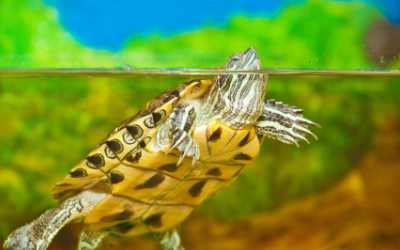
What exercise red-eared sliders eat?
An improper nutrition is likely the almost common crusade of health problems in convict turtles and other reptiles.
"Crimson-eared sliders are typically voracious eaters and are omnivorous, eating both animate being and vegetable matter."
Red-eared sliders are typically voracious eaters and are omnivorous, eating both creature protein and vegetable matter. Every bit juveniles, they are mainly carnivorous (consume brute protein) and go more than omnivorous equally they age. All aquatic turtles eat and swallow with their head nether water and volition not swallow out of the water. To assist facilitate optimal cleanliness of their tanks, aquatic turtles tin exist fed in a separate, pocket-sized aquarium of warm water. That way, they volition soil this h2o, and not their main aquarium. When feeding turtles, offering a variety of nutrient is of import. Irresolute the types of food fed on a regular footing helps stimulate the turtle to eat and provides nutritional rest.
What are some adequate animate being-based protein foods I tin offer my red-eared sliders?
The carnivorous portion of their diet should consist of commercial turtle or fish pellets, as well as a variety of invertebrates and vertebrates. Pelleted foods come up in several sizes. Larger pellets tend to float well and are attractive to big turtles, whereas smaller pellets tend to sink quickly and are generally accepted by juveniles and small turtles.
"The cannibal portion of their diet should consist of commercial turtle or fish pellets, every bit well every bit a variety of invertebrates and vertebrates."
Aquatic turtles in the wild swallow fish, and "feeder fish" may be purchased from pet stores or bait stores to feed pet turtles. Depending on the size of the turtle, fish such equally goldfish, guppies, or minnows may be offered. Feeding alive fish can provide your turtle with the mental stimulation and exercise that comes with the challenge of chasing and catching its dinner. Fish also can be a adept source of calcium for turtles, as long as they eat the entire fish, bones and all. Even so, recently feeder fish have been implicated every bit carriers of parasites and leaner that can infect the pet turtles that eat them. Therefore, if feeder fish are fed to turtles, they should exist offered infrequently. Smelt, mackerel, and other oily fish should be fed sparingly or avoided all together, as their high fat content may upset nutritional balance and pb to vitamin E deficiencies. A predominantly fish nutrition may also pb to a thiamine (vitamin B1) deficiency, so fish should merely exist offered as a minor portion of aquatic turtles' diets.
Depending on the size of the turtle, amphibians such as tadpoles and frogs can be offered, as tin can earthworms, snails, slugs, beetles, grasshoppers, moths, crickets, mealworms, wax worms, and other insects. Feeding wild-caught fish and amphibians is not recommended, as they may comprise parasites and other infectious organisms that may affect the turtle.
Raw meat, fish, or chicken from the grocery store does not contain a residual of calcium and phosphorus for a turtle and is not recommended as a nutrient source for turtles. Regardless of the protein source, the carnivorous portion of a turtle's diet should make upward no more than two thirds of the diet of juveniles and almost half of the diet of adults.
What types of plant material can I feed my ruby-red-eared slider?
The plant portion of the diet should be made up of vegetables, preferably ones that float and can be left in the h2o for the turtle to nibble on throughout the day. Leftover nutrient should be scooped out of the tank daily to promote proper hygiene. Desirable vegetables to offer include nighttime leafy greens such as romaine lettuce, collard greens, mustard greens, carrot tops, endive, Swiss chard, kale, parsley, green beans, dandelion greens, turnip greens, and clover. Iceberg or caput lettuce should not be fed, every bit it is comprised generally of water and contains very little nutritional value.
"The central to feeding turtles is to provide variety, every bit many turtles go bored and stop eating if they are fed the same foods over and over."
The fundamental to feeding turtles is to provide variety, every bit many turtles get bored and terminate eating if they are fed the aforementioned foods over and over. Many red-eared sliders are drawn to the color carmine, so shredded vitamin-A rich red bell pepper is besides good to offer. Safe, non-toxic aquatic plants, such equally water hyacinth, h2o lilies, Elodea, or duckweed, can be placed in the tank. Ever check the condom of plants before offering them to your turtle to be sure they are not-toxic.
How often should I feed my red-eared slider?
The frequency of feeding depends on the age and size of your red-eared slider. Smaller or juvenile turtles will eat heartily every day. Equally they get older, adult turtles may be offered a good-sized portion of food every two or three days.
Do I need to give my red-eared slider vitamins and minerals?
The key to proper nutrition for a reddish-eared slider is a various and varied diet containing a balance of vegetable and animate being protein, depending on the pet's historic period. Some veterinarians suggest adding a balanced, commercially bachelor multivitamin one time per week with an additional source of calcium, such as a calcium block or cuttlebone, twice per week.
What virtually water?
Aquatic turtles, of course, swim in water and drinkable all mean solar day; therefore, the but h2o requirement for an aquatic turtle is to keep their tanks clean and at an appropriate temperature. Having a well-functioning filtration organization that is cleaned regularly is key to ensuring practiced water quality.
If yous have any other questions well-nigh nutrition or care of your reddish-eared slider, brand certain you seek the advice of a veterinarian familiar with turtles. Remember, turtles and other reptiles ordinarily carry Salmonella bacteria on their skin or in the gastrointestinal tracts, so it is important to e'er wash your hands thoroughly after feeding, cleaning, or handling turtles.
Source: https://vcahospitals.com/know-your-pet/turtles-aquatic-feeding
Posted by: shieldsyourst39.blogspot.com
0 Response to "Which Of The Following Events Would Most Likely Cause An Animal To Eat Voraciously And Become Obese?"
Post a Comment